Fix the problem while it is small
A lot of people think a mild, rainy climate means the AC will never be a problem. In practice, a system that sits quiet for months can fail the first warm afternoon it is asked to run. Then you are hot, stuck, and typing questions into a search box.
Dayarrival Heating & Air exists to shorten that search. It is a referral service. It connects homeowners in Seattle and the Seattle area with independent local providers who handle HVAC service, from a simple AC repair to a full replacement.
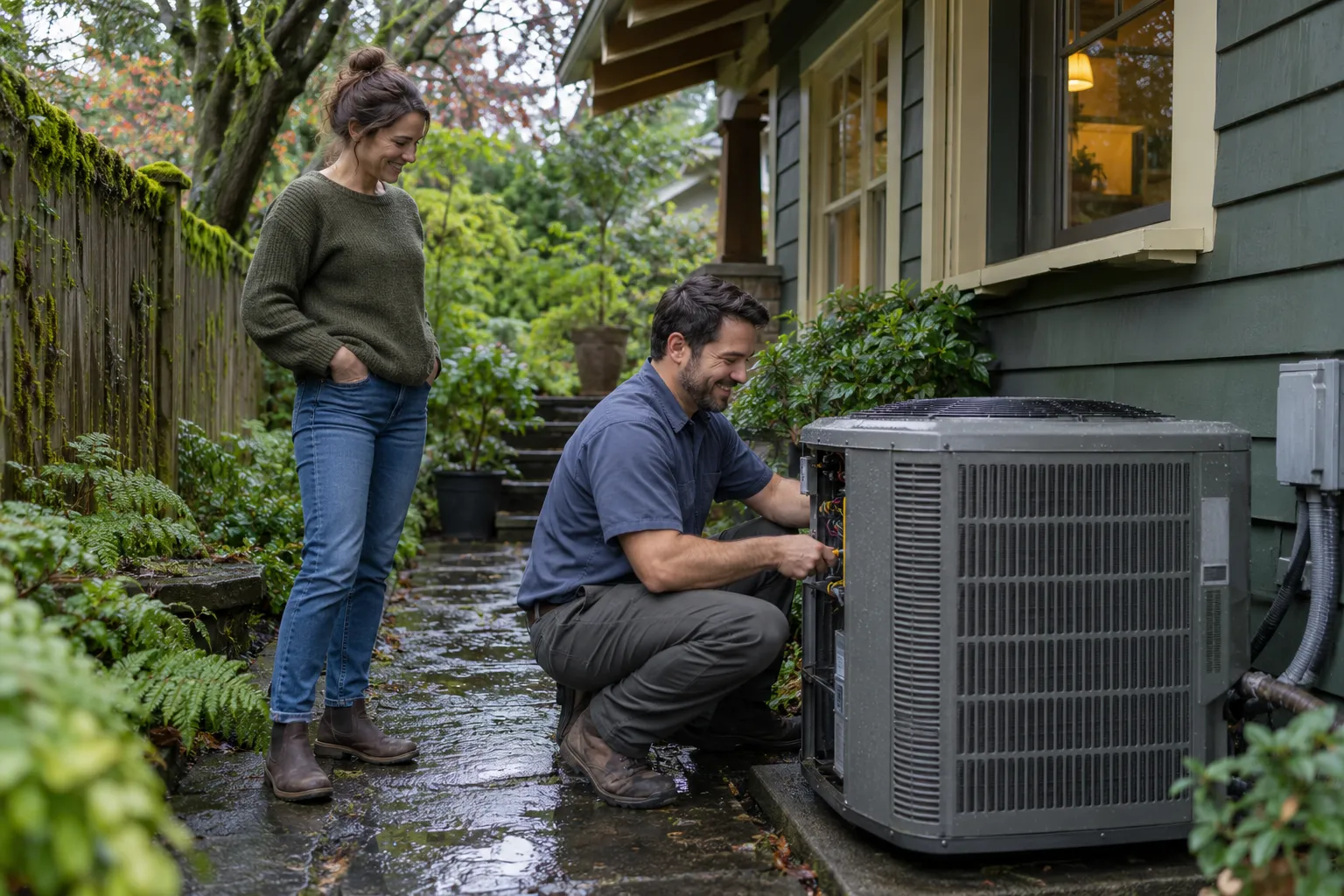
Here is the part that surprises first-timers. The sooner a provider looks at a weak or noisy system, the smaller the fix tends to be. A clogged drain line or a tired capacitor is a modest job. A compressor that ran too long while struggling is not.
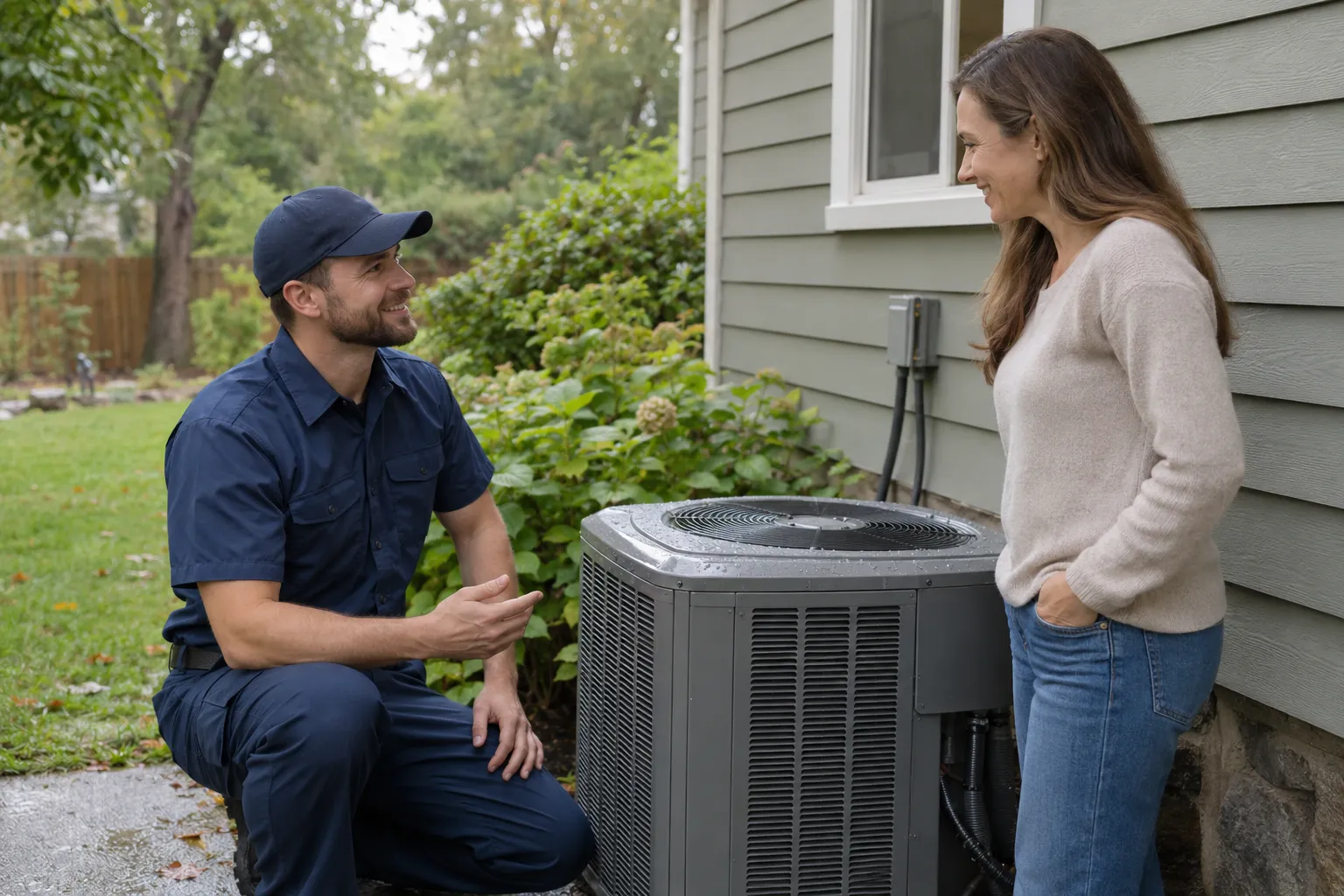
You do not need to know the right words. You do not need to compare ten websites. Say what you notice: warm air, odd sounds, ice on a pipe, a unit that will not start.
Request a callback to check provider availability, and a local provider can take it from there.
Get an Estimate
Not ready to talk? That is fine. You can ask for an estimate instead and read it at your own pace, with no obligation.
How it works
Who we are, and who we are not
Dayarrival Heating & Air is a referral service. It does not send its own trucks, and it does not repair or install anything. The work is done by independent providers in our network. Each one runs its own business, sets its own prices, and decides its own schedule.
Why a middle step helps
A lot of people think a referral service just adds one more phone call. In practice, it removes several. Instead of calling company after company, you describe the problem once. Dayarrival Heating & Air points you toward a provider who handles residential heating and cooling in your area.
What happens next
- You call or send a short request.
- A local provider gets your details.
- The provider contacts you to talk through the problem.
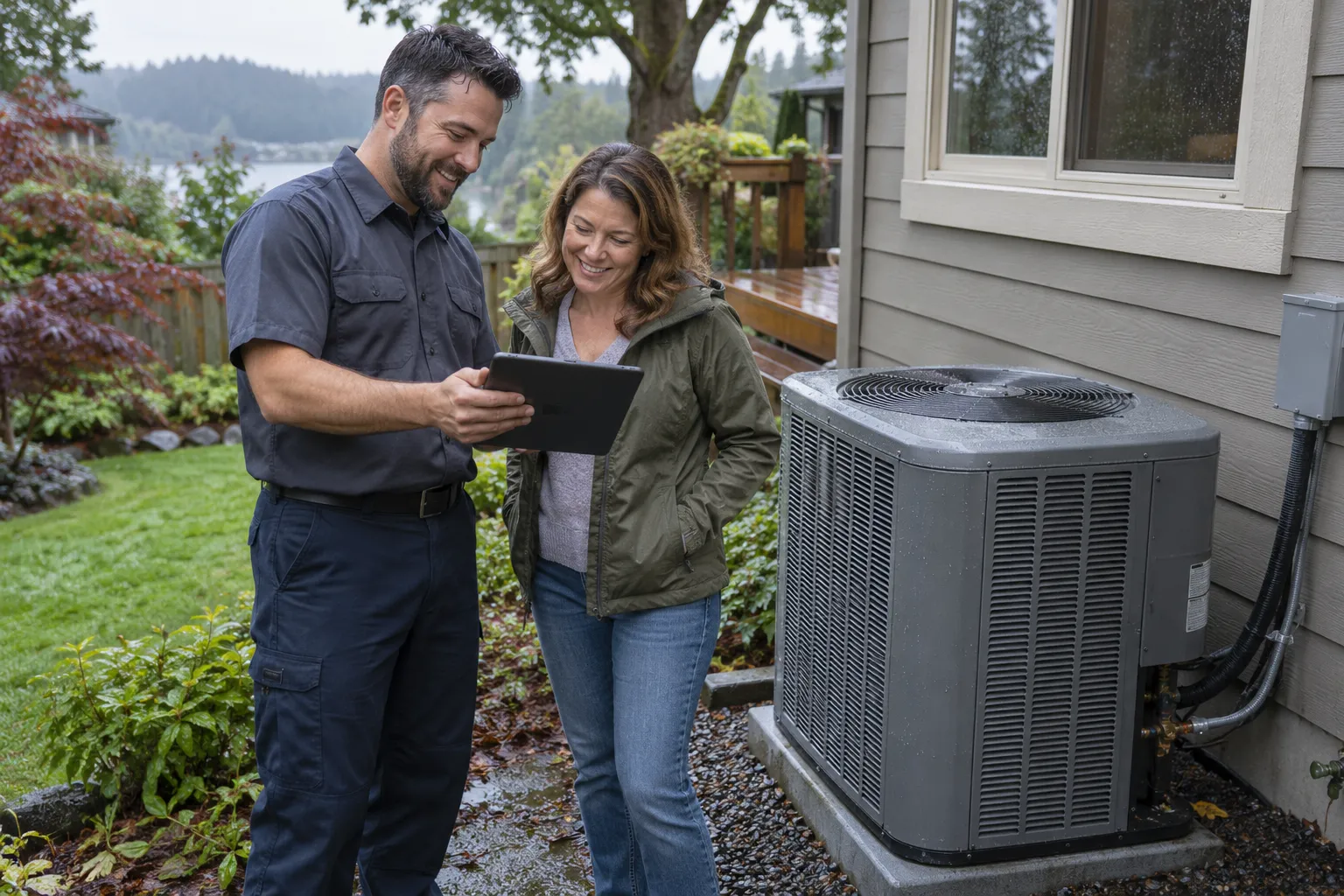
- You decide whether to book a visit or ask for a written estimate.
There is no pressure to hire anyone. If the first conversation does not feel right, you can say no.
What to say on the first contact
First-timers often worry they will sound clueless. You will not. Providers hear "it is blowing warm air" every week. Helpful details are the age of the system, whether it is a central unit or a heat pump, and when the trouble started.
About availability
Call hours and response times differ from one provider to the next. Some providers can respond quickly. Others book out a few days. Request a callback to check provider availability for your situation, and be honest about how urgent it feels. Providers can then tell you what is realistic.
Serving Seattle and nearby
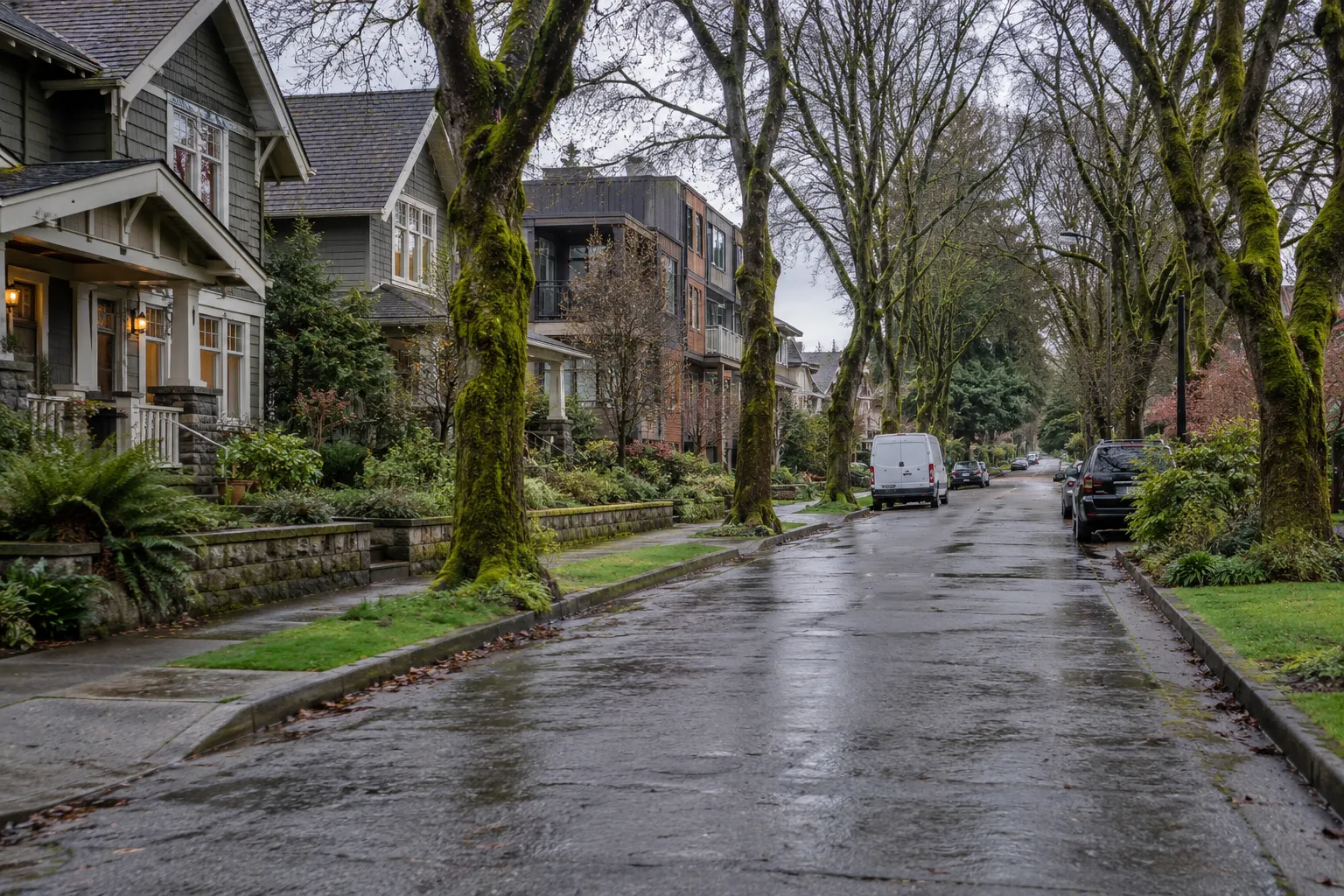
Dayarrival Heating & Air works with independent providers across Seattle and the Seattle area. The homes here are not all alike, and good providers know it.
A lot of people think any HVAC visit is the same no matter the house. In practice, an older craftsman home with tight rooms and original ductwork needs a different eye than a newer townhome with a compact utility closet. A wood-frame house with a crawl space can have ducts running through damp, cool air, which affects how a system performs and how long it lasts.
The climate matters too. Long wet seasons, steady rain, and moss can mean outdoor units sit in damp conditions for months. Windstorms can knock debris against them. Providers who work locally see these patterns often and know what to check.
Whether you live in town or farther out in the Seattle area, you can ask about provider availability for your address. Coverage differs by provider, so the quickest way to find out is to ask.
Request a callback to see which providers are available near you.
Get an Estimate
Prefer to write it down first? Send an estimate request with a few details about your home and the problem.
Common myths about heating and cooling
"It is mild here, so I do not need to worry"
Mild weather hides problems. The system barely runs, so a slow refrigerant leak or a failing part can sit unnoticed. Then the first warm spell exposes it.
"Moss and damp only hurt the roof"
Damp air is hard on outdoor units too. Leaves, moss, and soggy debris can block airflow around the unit. A provider can tell you if cleaning or repair makes sense.
"A noisy AC can wait"
Sometimes it can. Often it cannot. Grinding, squealing, or buzzing is the system asking for help, and early attention usually means a smaller repair.
"Replacement is always the answer for an old unit"
Not always. Many older systems can be repaired. Replacement tends to make sense when repairs are frequent, parts are hard to find, or the equipment is well past its expected life.
"Prices are a mystery"
They vary by job, but typical U.S. ranges give you a starting point. AC repairs often run from about $150 to $650. A full replacement commonly falls between $5,000 and $12,000 or more. Your home, equipment, and provider change that. Always ask for a written quote.
"Insurance will sort it out"
Some policies may cover sudden damage, but wear and tear is usually different. Check your policy. Providers can often help document damage for a claim.
Your first-timer checklist
- Note when the problem started.
- Check that the thermostat is set to cool and the batteries are fresh.
- Look for a tripped breaker.
- Write down the unit's age if you know it.
- Ask for a written estimate before work begins.
Reach a local provider
If your cooling is struggling, do not wait for it to get worse. Request a callback to check provider availability and describe what you are seeing in plain words.
Get an Estimate
You can also request an estimate and let a local provider reach out to you. There is no obligation, and you choose whether to move forward.